
Understanding the Psychology of Bluffing
Bluffing in poker is an intricate dance between deception and psychology. It requires a keen understanding of both your own emotions and those of your opponents. Typically, a successful bluff capitalizes on the unpredictability of human behavior, utilizing tells, patterns, and past experiences to gauge when to strike. Players must be aware of the nuances in facial expressions and body language, which can reveal weakness or strength, allowing you to time your bluffs to maximum effect. In addition, exploring opportunities like best online pokies australia payid can enhance your overall gaming experience. Observing your opponents closely can grant you insights that are critical in high-stakes situations.
Consider the situation at the table: if a player has been aggressive and suddenly becomes passive, they might be holding a weak hand. This change invites the opportunity for bluffing, enticing your opponent to fold. Being observant in these moments not only improves your bluffing chances but also helps in understanding when others might be trying to deceive you, creating a more engaging and strategic game. A successful bluffer often blends observation with intuition, which can be developed over time with practice and experience.
Moreover, it’s essential for any poker player to develop emotional control that allows them to stay calm under pressure. Bluffing is as much about your demeanor as it is about the cards on the table. Keeping a poker face—literally—ensures that your opponents have a harder time deciphering your true intentions, which is crucial for maintaining the illusion of confidence needed to execute a bluff effectively. Training yourself to respond to stress and uncertainty with a composed exterior can greatly enhance your overall bluffing effectiveness.
Strategic Timing for Bluffing
Timing is everything in the art of bluffing. The first step to executing a successful bluff is identifying the right moment. Commonly, the best opportunities arise when the board shows cards that could represent a strong hand, making it easier to convince others that you have hit something significant. This tactical approach requires a solid understanding of the community cards, how they relate to your perceived range, and how opponents might respond to various board textures. It’s essential to analyze how the current board state plays into your overall strategy before committing to a bluff.
Additionally, bluffing during the later betting rounds can be more effective than in the early stages. At this point, players have invested more chips into the pot, which can amplify their reluctance to fold unless they are confident they are beaten. By being aware of the betting patterns leading up to the bluff, you can capitalize on the moment when you sense weakness from your challengers. This psychological aspect of bluffing relies heavily on your ability to read the table and assess when your opponents might be vulnerable.
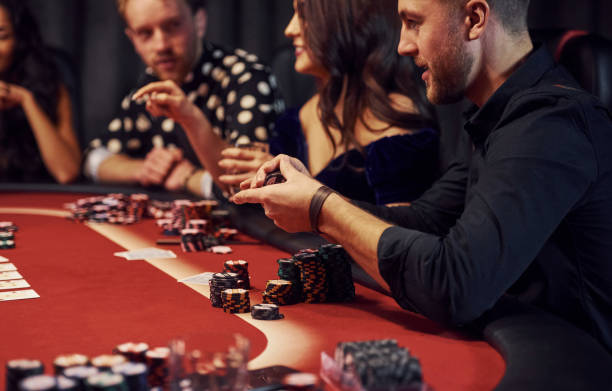
Another important strategic element involves your table image. If you have been playing tightly and suddenly make a large bet, your opponents are more likely to take it seriously compared to someone who has been frequently entering pots. Crafting a credible narrative through your gameplay allows you to choose the best times to bluff, as players will gauge your likelihood to bluff based on prior actions and establish a strong psychological position at the table. Your overall strategy should always consider how your actions will be perceived by others to maximize the effectiveness of your bluffs.
The Importance of Position in Bluffing
Your position at the poker table significantly influences your bluffing strategy. Players sitting in late positions typically have a better opportunity to bluff, as they have more information about the actions and tendencies of their opponents. They can observe the decisions made before them and use this data to decide if a bluff is warranted. For instance, if early position players check in a multi-way pot, this may indicate weakness, creating a perfect situation for a well-timed bluff. The ability to act last allows for a more informed decision-making process.
Conversely, bluffing from an early position can be risky, as you lack the insight into your opponents’ hands and strategies. It’s easier for players behind you to call or raise, leaving you vulnerable if your bluff fails. Position not only affords you information but also typically gives you more leverage to push aggressive plays against perceived weaknesses among your opponents. Understanding how to manipulate your position can elevate your bluffing game and improve your chances of success.
In summary, mastering the art of bluffing requires you to be acutely aware of your position in the game. A well-executed bluff will take advantage of both your position and the evolving dynamics of the table. When you can layer this understanding onto your bluffing strategy, you will enhance your effectiveness, leading to more successful outcomes throughout your poker sessions. Always consider how position interacts with the psychological elements of the game to maximize your opportunities for successful bluffs.
Reading Your Opponents
To become a proficient bluffer, you must develop the ability to read your opponents effectively. This involves paying close attention to their betting patterns, body language, and emotional responses during the game. For instance, players who are typically vocal and animated around the table may become unusually quiet when they have a weak hand, allowing you to adjust your strategy accordingly. Recognizing these subtle changes can provide critical insights into their psyche and current standing within the hand, which can be pivotal when deciding whether to bluff.
Furthermore, seeking patterns across different sessions can reveal how certain players react to particular bets or raises. For example, if a player consistently folds to large bets, utilizing this knowledge can set the stage for future successful bluffs. Alternatively, a player who frequently calls bets might signify a good candidate for bluffing only under very specific conditions, necessitating a more nuanced approach. Tracking these tendencies over time enables you to build a more comprehensive understanding of your opponents’ typical behaviors.
Refining your skills in reading opponents is not just about gathering data; it’s about knowing how to react based on that data. By actively engaging with your opponents and adjusting your playstyle accordingly, you can enhance your bluffing arsenal and create opportunities where you can maintain the upper hand throughout the game. This skill can often be the difference between a successful bluff and a costly mistake, making it crucial to invest time in developing your observational abilities.
Exploring Resources for Improving Your Bluffing Skills
Improving your bluffing skills requires continual learning and practice. One of the most effective ways to enhance your abilities is through dedicated resources and practical training. Books on poker strategy, articles, and online forums provide a wealth of information on advanced bluffing techniques, successful player anecdotes, and psychological strategies. Engaging with these materials can help solidify your understanding and refine your approach, offering insights that can be applied directly to your game.
Additionally, poker training software and mobile applications offer simulated environments where you can practice bluffing without the pressure of real stakes. This controlled space enables you to experiment with different bluffing strategies, analyze outcomes, and learn from your mistakes in a low-risk environment, preparing you for future live games. Regularly using these tools can help you develop a more intuitive feel for when and how to bluff effectively.
Finally, participating in poker communities or finding a mentor can provide invaluable feedback and insights. Discussing hands, sharing experiences, and analyzing decisions with other players fosters a greater comprehension of the game’s subtleties. By pooling knowledge and experiences, you can accelerate your learning curve and enhance your overall poker strategy, which includes mastering the art of bluffing. Building relationships within the poker community can lead to more profound insights and improvements in your gameplay.

